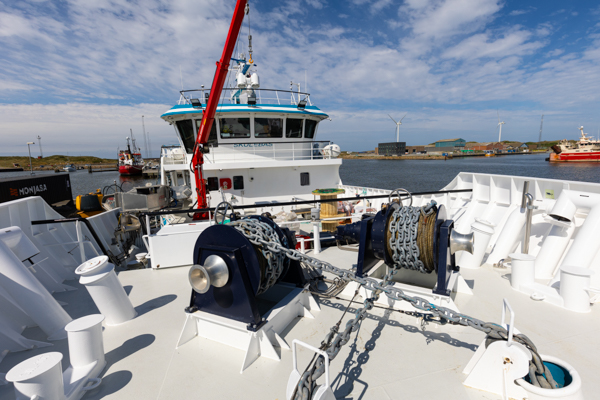
Anchoring may seem like a simple part of boating, but anyone who spends regular time on the water knows that lowering and retrieving an anchor can quickly become a demanding task. Wind, changing currents, water depth, and the weight of the anchoring equipment can all affect the process. A well-selected boat anchor winch can make this routine considerably smoother by providing greater control over anchor deployment and retrieval.
Whether a boat is used for fishing, coastal cruising, or relaxed days with family and friends, an efficient anchoring setup contributes to convenience and confidence on the water. Instead of treating the winch as a minor accessory, boat owners can view it as an important component of a practical marine setup.
Taking The Physical Work Out Of Anchoring
Traditional anchoring often involves pulling a heavy anchor, rope, and chain back onto the boat by hand. This can become tiring, particularly when anchoring several times throughout a trip or operating in deeper water.
An electric winch changes this process by using powered operation to deploy and retrieve the anchor. The operator can manage the system with far less physical effort, making repeated anchoring more manageable.
This convenience can be particularly valuable for fishing enthusiasts. Moving between fishing locations often means raising the anchor, travelling to another spot, and setting it again. When this process is easier, more attention can remain on enjoying the trip rather than dealing with physically demanding equipment.
Greater Control During Deployment
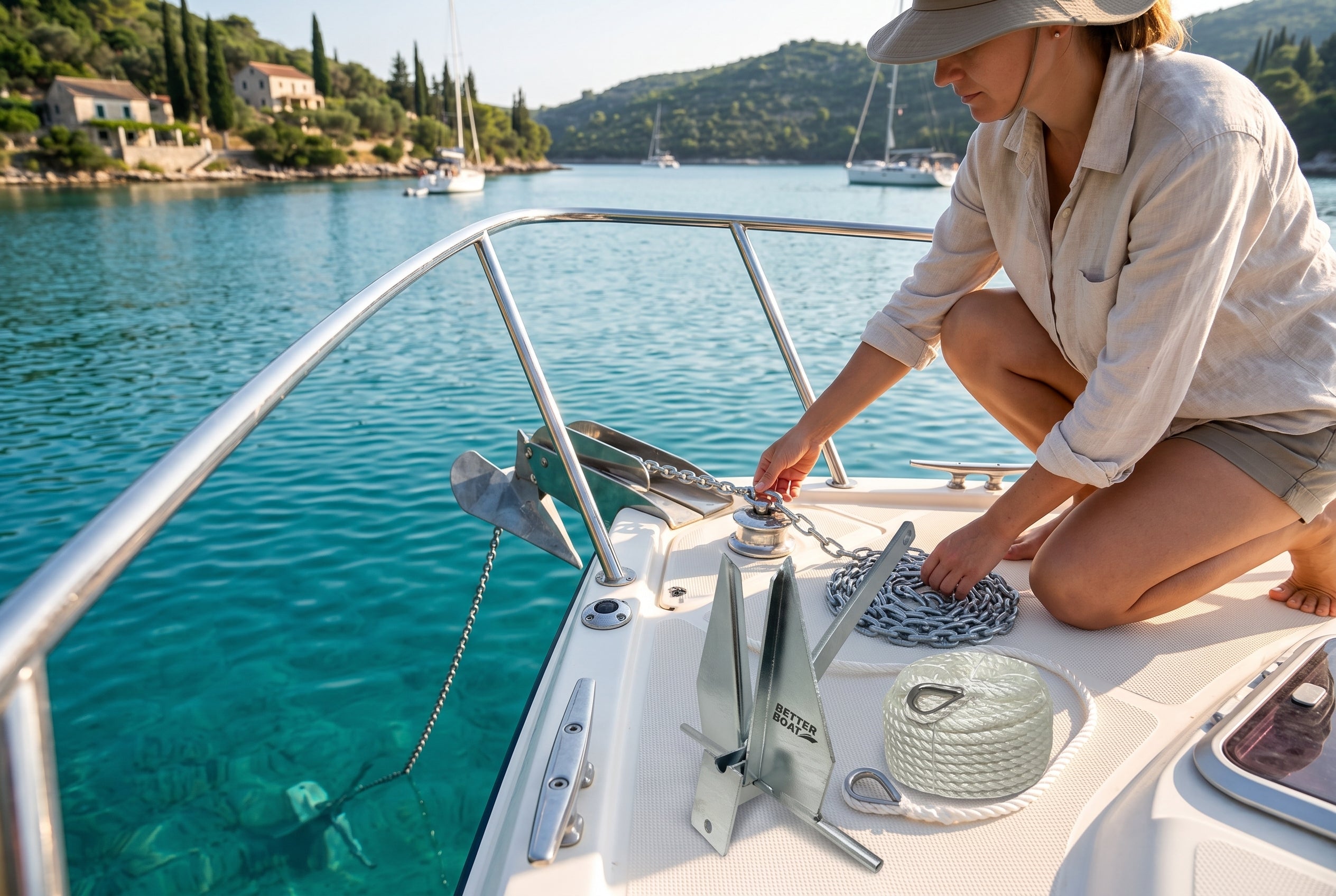
Convenience is only one consideration. Control is equally important when lowering an anchor. Dropping an anchor without adequate control can allow rope and chain to move rapidly, potentially creating tangles or making positioning more difficult.
A suitable boat anchor winch provides a more controlled method of managing the anchoring system. Smooth deployment helps the operator place the anchor more deliberately and manage the rode as it moves from the vessel.
Conditions on the water rarely remain completely consistent. Wind direction may shift, currents can strengthen, and water depth can change significantly between locations. Having dependable control over the anchoring process makes adapting to these conditions easier.
Matching The Winch To The Vessel
Not every anchor winch is suitable for every boat. Vessel size, anchor weight, chain configuration, available installation space, electrical requirements, and typical boating conditions should all influence the selection process.
A smaller recreational boat used primarily in protected waterways may have very different requirements from a larger vessel regularly operating offshore. Choosing equipment without considering these factors may lead to disappointing performance or unnecessary strain on the system.
Boat owners should also consider where the winch will be installed. The mounting area needs to accommodate the equipment while allowing the anchor rode to move correctly. A carefully planned installation contributes to smoother operation and helps keep the deck organised.
Considering The Complete Anchoring System
The winch should not be considered separately from the rest of the anchoring equipment. The anchor, rope, chain, bow roller, mounting arrangement, electrical system, and winch all need to function together.
Compatibility between these components can influence how reliably the system operates. For example, the rope and chain arrangement should suit the winch design, while the bow setup should allow the anchor to deploy and return without unnecessary obstruction.
Planning the complete system before selecting individual components can prevent avoidable problems later. It also provides an opportunity to create an anchoring arrangement suited to the vessel rather than simply adding equipment to an existing setup.
Maintenance Matters In Marine Conditions
Marine equipment operates in a challenging environment. Saltwater, moisture, dirt, and regular exposure to changing weather can gradually affect components if maintenance is overlooked.
Routine inspection should therefore become part of normal boat care. Owners can check the rope and chain for wear, examine electrical connections, inspect mounting points, and keep relevant components clean according to manufacturer recommendations.
Unusual noises, inconsistent operation, or visible deterioration should not be ignored. Identifying a developing problem early can help prevent inconvenient equipment failure during a boating trip.
Improving The Overall Boating Experience
Good boating equipment often proves its value by making routine tasks simpler. An anchor winch may not be the most noticeable feature on a vessel, but it can have a significant influence on day-to-day usability.
Efficient anchoring means less physical effort when arriving at a fishing location, stopping for lunch, or settling into a quiet bay. Retrieval also becomes easier when it is time to move again. For people who anchor frequently, those small improvements can make an entire day on the water feel more relaxed.
A dependable boat anchor winch is ultimately about combining power, control, and convenience. Choosing a system that matches the vessel, anchoring equipment, and intended boating conditions creates a more practical setup.
Smooth anchoring does not begin when the anchor reaches the water. It begins with selecting equipment designed to manage the task effectively. With the right winch and a thoughtfully configured anchoring system, boat owners can spend less time wrestling with equipment and more time enjoying where their vessel takes them.