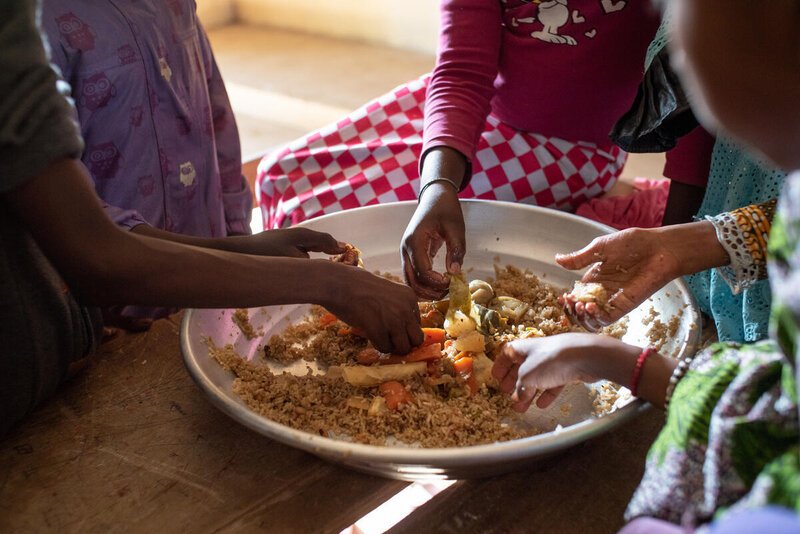
Food insecurity affects millions of families who struggle to maintain a consistent supply of nutritious meals. Rising living expenses, unexpected financial emergencies, and limited employment opportunities can make it difficult for households to afford everyday essentials. For vulnerable families, food donations provide more than temporary relief. They offer stability, reduce financial pressure, and help individuals focus on improving their circumstances. Community involvement, charitable contributions, and volunteer efforts play an essential role in ensuring that families have access to the nourishment they need.
The Challenges of Food Insecurity
Food insecurity happens when people or families can’t always get enough healthy food that is also affordable. This problem affects a wide range of homes, including those with working parents, older adults, single parents, and people who are unemployed.
A lot of families have to choose between buying food and paying for things like rent, utilities, transportation, or medical bills. When wages don’t keep up with rising costs, even families with steady jobs may have trouble. Because of these financial worries, people may skip meals, eat smaller portions, or rely on cheap foods that are low in nutrients.
Children are especially likely to be hurt by not getting enough food. Having regular access to well-balanced meals helps kids grow, focus, and do well in school. Getting rid of food insecurity through organized donation programs helps kids and their families live in a more stable place.
Food Donations Provide Immediate Relief to Families
Food donations serve as an important resource for households experiencing financial hardship. Community food banks, charitable organizations, and local assistance programs collect and distribute essential groceries to individuals who need additional support.
Donated items such as rice, pasta, canned vegetables, beans, cereals, and other nutritious products help families prepare meals without placing additional strain on their limited budgets. Fresh produce, dairy products, and protein sources are equally valuable when proper storage and distribution facilities are available.
Regular food donations also allow charitable organizations to respond more effectively to changing community needs. Consistent contributions help maintain food supplies throughout the year, particularly during periods when demand increases because of economic challenges or seasonal employment changes.
Community Volunteers Strengthen Food Donation Programs
Volunteers are essential to the successful operation of food assistance initiatives. Their contributions include sorting donated groceries, organizing storage areas, preparing food packages, assisting with distribution, and coordinating community collection events.
Individuals interested in becoming a Denver food bank volunteer can explore opportunities with local food assistance organizations that support households experiencing food insecurity. Volunteering provides a practical way to contribute time and effort while gaining a better understanding of the challenges faced by vulnerable families.
Community participation also encourages stronger relationships between residents, nonprofit organizations, and local businesses. When individuals work together toward a shared goal, food donation programs become more organized, accessible, and capable of reaching households that might otherwise remain underserved.
Supporting Children and Older Adults Through Nutrition
Certain groups face greater challenges when reliable food access becomes limited. Children require nutritious meals to support physical development, learning, and overall health. Older adults may experience difficulties obtaining groceries because of limited income, transportation barriers, or mobility restrictions.
Food donation programs can address these challenges by providing appropriate groceries and connecting families with additional community resources. Programs that consider dietary restrictions, cultural preferences, and nutritional requirements can offer more meaningful assistance.
For families with children, dependable food support can reduce household stress and allow parents to allocate limited financial resources toward education, healthcare, and other necessities. Similarly, older adults benefit from programs that make nutritious food easier to obtain.
Reducing Food Waste Through Responsible Donations
Food donation programs also contribute to reducing unnecessary food waste. Grocery stores, restaurants, farms, and households sometimes have surplus food that remains safe for consumption but may otherwise be discarded.
Redirecting suitable surplus food toward charitable organizations creates an opportunity to support families while making better use of available resources. However, responsible donation practices are essential to maintaining food quality and safety.
Donors should prioritize unopened, properly stored, and unexpired products while following the receiving organization’s guidelines. Fresh and prepared foods should only be donated when appropriate handling, refrigeration, and transportation arrangements are available.
These practices help food assistance organizations distribute safe, useful products while minimizing unnecessary disposal.
Encouraging Long-Term Community Participation
Sustainable food assistance depends on consistent community involvement rather than occasional charitable contributions. Individuals can support donation initiatives by organizing workplace collections, participating in neighborhood food drives, volunteering regularly, or making financial contributions to established organizations.
Businesses can contribute by coordinating employee volunteer activities, donating eligible surplus inventory, or supporting food assistance campaigns. Schools and community groups can also encourage participation through educational activities that explain the importance of nutrition and responsible giving.
Long-term engagement helps charitable organizations plan their operations, maintain reliable supplies, and respond to emerging needs. It also encourages residents to recognize food insecurity as a shared community concern that requires ongoing attention.
Conclusion
Every donated meal represents an opportunity to improve someone’s daily life. Food donations help vulnerable families manage financial difficulties, access essential nutrition, and maintain greater household stability. Through responsible giving, volunteer participation, and cooperation between local organizations, communities can build stronger food assistance networks. Supporting these efforts consistently ensures that more families receive the nourishment, dignity, and encouragement they need to move toward a more secure future.